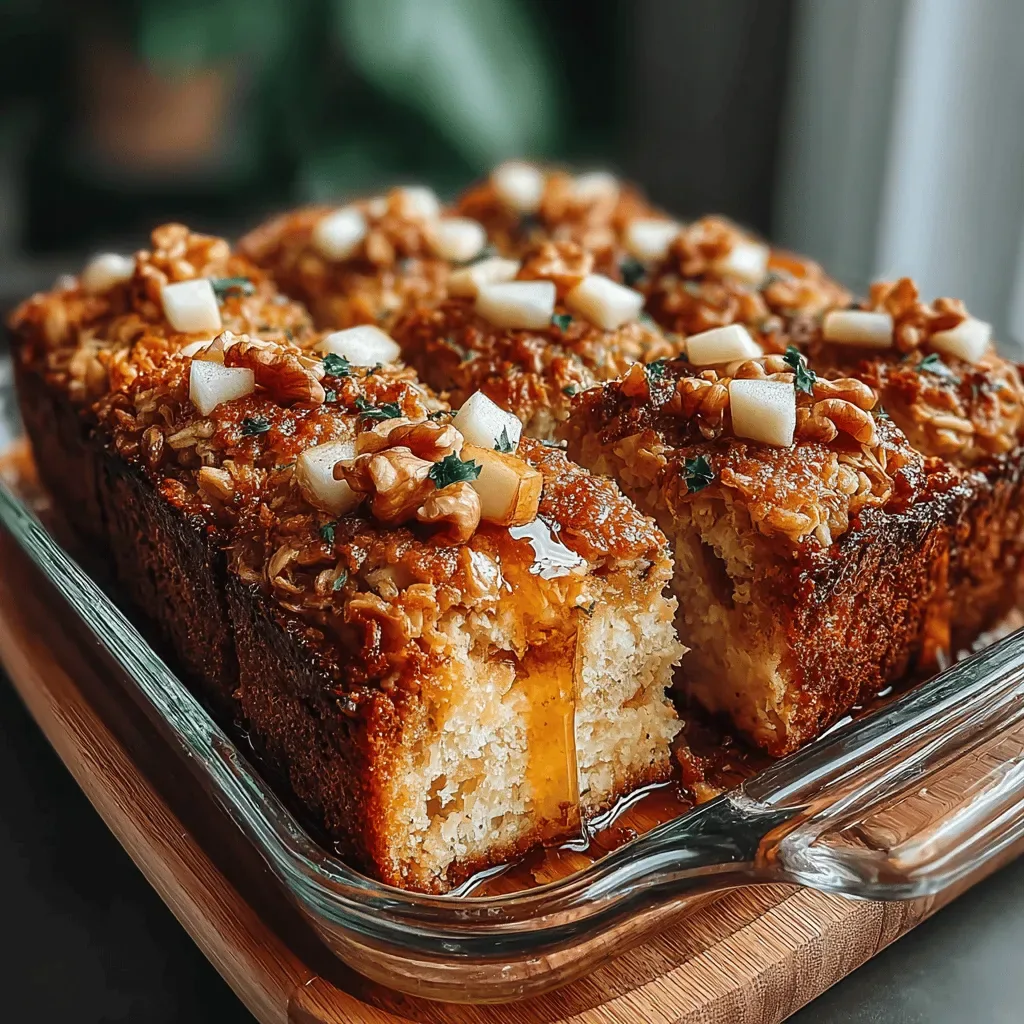
Imagine a silky dessert that transports you straight to a sun‑kissed beach, where the sweet aroma of ripe pineapple mingles with creamy coconut. That’s the magic of Tropical Breeze Pineapple Coconut Panna Cotta—a dessert that feels like a vacation in a spoon.
This panna cotta stands out because it blends the classic Italian custard technique with tropical flavors, creating a light yet indulgent texture that never feels heavy.
Ideal for brunch tables, lazy weekend mornings, or a special birthday brunch, it will delight both kids and adults who crave a refreshing start to the day.
The recipe is straightforward: heat cream, coconut milk, and pineapple, dissolve gelatin, pour into molds, and chill until set. A quick garnish of toasted coconut and mint finishes the experience.
Why You'll Love This Recipe
Bright Tropical Flavors: Fresh pineapple and coconut milk give a sunny, fragrant profile that awakens the palate and feels perfect for any brunch setting.
Silky, No‑Bake Texture: The gelatin creates a luxuriously smooth custard without an oven, making it a low‑effort yet impressive dessert.
Versatile Presentation: Serve in elegant glasses, ramekins, or even hollowed pineapple shells for a show‑stopping visual impact.
Make‑Ahead Friendly: Once set, it stores beautifully in the fridge, allowing you to prepare it the night before and focus on other brunch items.
Ingredients
For this panna cotta I rely on a handful of high‑quality pantry staples and fresh fruit. The combination of full‑fat coconut milk and heavy cream builds a rich, velvety base, while the pineapple adds natural sweetness and a hint of acidity that balances the richness. Gelatin is the key to achieving that signature wobble, and a touch of vanilla and lime zest lifts the flavor profile to a tropical crescendo.
Base & Sweetener
- 1 ½ cups heavy cream
- 1 ½ cups canned coconut milk (full‑fat)
- ½ cup fresh pineapple puree (about 1 cup chopped pineapple blended)
- ¼ cup granulated sugar
Gelatin & Flavor
- 2 ½ teaspoons powdered gelatin
- ¼ cup cold water (for blooming gelatin)
- 1 teaspoon vanilla extract
- 1 teaspoon freshly grated lime zest
Garnish
- 2 tablespoons toasted coconut flakes
- Fresh mint leaves (optional)
- Extra pineapple wedges for serving
These ingredients work together to create a balanced dessert. The dairy and coconut provide creaminess, while the pineapple introduces a bright, tangy counterpoint. Gelatin, when properly bloomed, guarantees a clean set without graininess. The lime zest adds a subtle citrus spark, and the toasted coconut brings a pleasant crunch that contrasts the smooth custard.
Step-by-Step Instructions
Preparing the Gelatin
Start by sprinkling the powdered gelatin over ¼ cup cold water in a small bowl. Let it sit for 5‑7 minutes; this “blooming” process hydrates the gelatin, preventing clumps when it meets the warm liquid later.
Heating the Cream Base
In a medium saucepan, combine 1 ½ cups heavy cream, 1 ½ cups coconut milk, and ¼ cup sugar. Warm over medium heat, stirring occasionally, until the sugar dissolves and the mixture just begins to steam—do not let it boil, as high heat can cause the coconut milk to separate.
Incorporating Flavor & Pineapple
Remove the saucepan from the heat and stir in ½ cup pineapple puree, 1 teaspoon vanilla extract, and 1 teaspoon lime zest. The fruit adds natural sweetness and a fragrant citrus note that brightens the custard.
Dissolving the Gelatin
- Temper the gelatin. Warm the bloomed gelatin gently (microwave 10‑15 seconds or set over a saucepan of simmering water) until liquid. This prevents lumps and ensures an even set.
- Combine with cream. Slowly pour the liquid gelatin into the warm cream mixture, whisking continuously. You’ll notice the mixture become slightly thicker—that’s the gelatin beginning to work.
- Check consistency. The custard should coat the back of a spoon lightly. If it feels too thin, add a pinch more gelatin dissolved in a teaspoon of water.
Setting the Panna Cotta
Pour the mixture into six 4‑ounce ramekins or chilled glasses. Tap each container gently on the counter to release trapped air bubbles. Cover with plastic wrap and refrigerate for at least 4 hours, or overnight, until fully set. The chill allows the gelatin to firm up, giving the dessert its signature wobble.
Finishing & Serving
When ready to serve, sprinkle each panna cotta with toasted coconut flakes, a few pineapple wedges, and a sprig of fresh mint for color. The garnish adds texture and an extra burst of tropical aroma that elevates the whole experience.

Tips & Tricks
Perfecting the Recipe
Bloom gelatin fully. Allow the gelatin to sit undisturbed for at least 5 minutes; this ensures a smooth, lump‑free custard.
Use full‑fat coconut milk. The higher fat content creates a richer mouthfeel and prevents a watery texture.
Cool the base before chilling. Let the mixture reach room temperature before refrigerating to avoid condensation that can affect set.
Tap molds to release bubbles. A gentle tap removes air pockets, resulting in a flawless surface.
Flavor Enhancements
Add a drizzle of passion‑fruit coulis just before serving for an extra tangy pop, or fold a teaspoon of finely shredded lime zest into the base for a brighter citrus note. A splash of rum‑infused pineapple syrup can turn this into a brunch cocktail‑friendly treat.
Common Mistakes to Avoid
Never boil the cream mixture; overheating can cause the coconut milk to separate and the gelatin to lose its setting power. Also, avoid using low‑fat coconut milk—it will result in a thin, less creamy panna cotta.
Pro Tips
Strain the mixture. After whisking, pour through a fine‑mesh sieve to eliminate any tiny pineapple fibers or gelatin clumps for a glass‑smooth finish.
Chill the serving glasses. Pre‑chill ramekins or glasses for 15 minutes; this helps the panna cotta set faster and stay colder longer on the table.
Adjust sweetness. Taste the pineapple puree before adding sugar; if the fruit is very sweet, reduce the granulated sugar by up to half.
Use a kitchen torch. Lightly torch the toasted coconut garnish for a caramelized aroma that elevates the tropical vibe.
Variations
Ingredient Swaps
Swap heavy cream for equal parts almond milk and Greek yogurt for a lighter, tangier version. Replace pineapple with mango or passion fruit for a different tropical twist. If you’re avoiding coconut, use oat milk and a dash of coconut‑flavored extract.
Dietary Adjustments
For a vegan panna cotta, substitute gelatin with 2 teaspoons agar‑agar powder (bloomed in hot water) and use coconut cream instead of dairy cream. Gluten‑free is automatic, as no wheat‑based ingredients appear. To keep it keto, replace sugar with erythritol or monk fruit sweetener.
Serving Suggestions
Serve the panna cotta atop a crisp shortbread cookie for added crunch, or pair with a tropical fruit salad featuring kiwi, papaya, and dragon fruit. A dollop of whipped coconut cream on the side amplifies the island feel, making it a centerpiece for any brunch spread.
Storage Info
Leftover Storage
Allow any leftover panna cotta to cool completely, then cover each ramekin with plastic wrap and store in an airtight container. Refrigerate for up to 4 days; the texture remains smooth. For longer keeping, freeze in freezer‑safe containers for up to 2 months—thaw gently in the fridge before serving.
Reheating Instructions
Panna cotta is best enjoyed cold, but if you prefer a warm dessert, briefly microwave a single serving (30 seconds on medium) just to loosen the texture—do not boil. Alternatively, place the ramekin in a warm water bath for 2‑3 minutes to soften before topping with fresh fruit.
Frequently Asked Questions
This Tropical Breeze Pineapple Coconut Panna Cotta brings island sunshine to any brunch table with its silky texture, vibrant flavor, and effortless make‑ahead convenience. By following the step‑by‑step guide, mastering the gelatin technique, and using the tips provided, you’ll achieve a flawless set every time. Feel free to experiment with fruit swaps or vegan adaptations—your creativity is the only limit. Enjoy the cool, creamy delight and let the breezy flavors transport you to a tropical paradise!