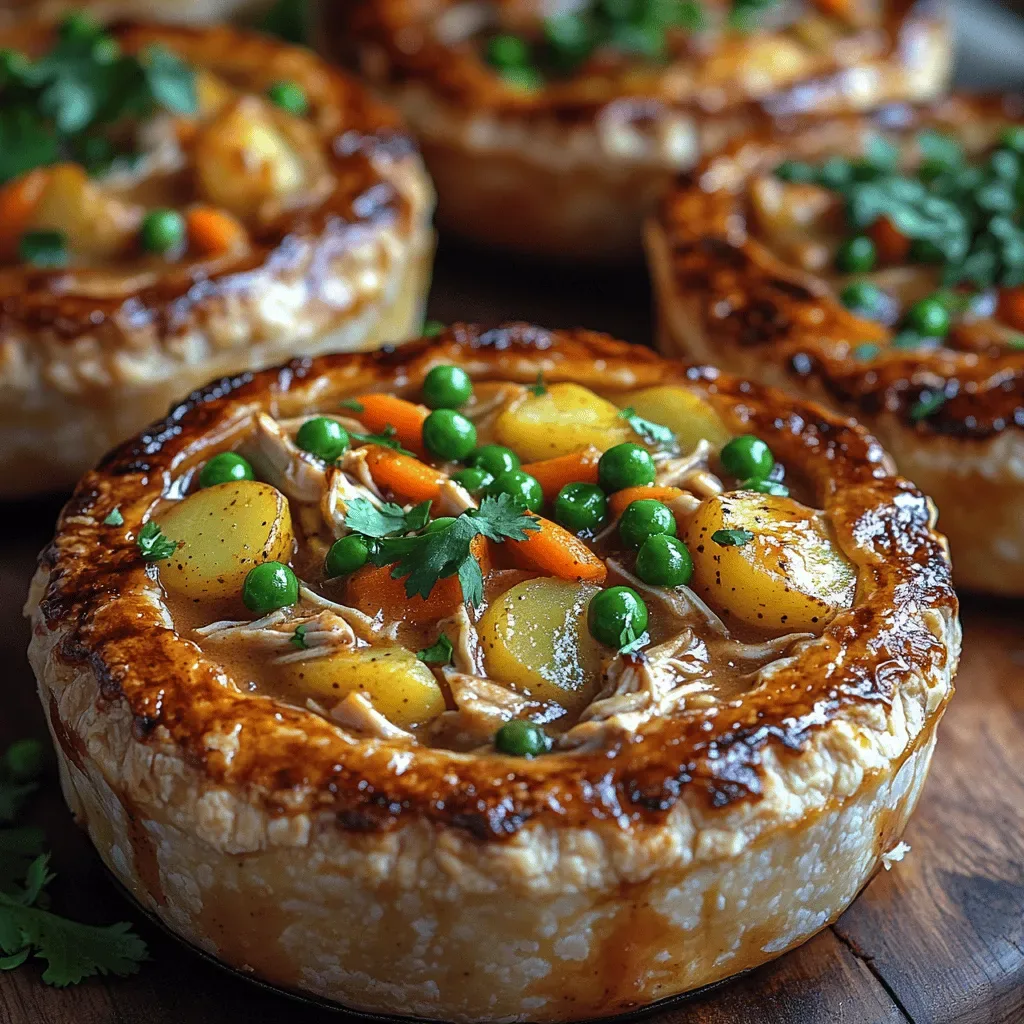
It was a crisp autumn evening when I first stumbled upon the idea of a smothered chicken and rice bowl that could turn a simple weeknight into a celebration. I was standing at the stove, the kitchen humming with the low thrum of the exhaust fan, when the scent of sautéed onions and garlic rose like an invitation. The moment I lifted the lid off the pan, a cloud of fragrant steam hit me—rich, buttery, with a whisper of smoked paprika that made my mouth water before I even tasted the first bite. I remember thinking, “What if I could capture this comforting, restaurant‑quality sauce and pour it over fluffy rice, letting every grain soak up the magic?” That question sparked a series of experiments that finally landed on the perfect balance of flavors and textures you’re about to discover.
What makes this bowl truly special is the way each component plays off the other: tender, caramelized chicken thighs nestled in a silky, herb‑infused sauce, all perched on a bed of aromatic rice that’s been toasted just enough to add a subtle nuttiness. The dish is both hearty and elegant, suitable for a quick family dinner or a casual gathering where you want to impress without spending hours in the kitchen. I’ve served it at potlucks, and it’s always the first dish to disappear—people keep asking for the recipe, and I love watching their eyes light up when they realize how simple the steps are. Have you ever wondered why a dish that looks so sophisticated can be so approachable? The secret lies in a few key techniques that I’ll reveal as we go.
But wait—there’s a little twist that most home cooks miss, and it’s the difference between good and unforgettable. I’ll let you in on that secret a little later, after we walk through the ingredients and the cooking process. Trust me, once you master that one extra step, you’ll hear the words “wow” echo around your dining table. And if you’re the type who loves a good story, you’ll appreciate the tiny mishap that taught me the value of patience in the kitchen—something I’ll share in the step‑by‑step section. The anticipation builds, doesn’t it? You can almost taste the first spoonful already.
Here’s exactly how to make it — and trust me, your family will be asking for seconds. Grab a pen, gather your ingredients, and let’s dive into a culinary adventure that promises comfort, flavor, and a dash of culinary wisdom. The journey from raw ingredients to a steaming bowl of goodness is about to begin, and the best part? You’ll be able to tweak it to suit any palate, any season, any mood. Ready? Let’s get started.
🌟 Why This Recipe Works
- Flavor Depth: The combination of browned chicken, caramelized onions, and a splash of cream creates layers of umami that develop as the sauce simmers. Each bite delivers a burst of savory richness that feels both familiar and exciting.
- Texture Harmony: Crispy edges on the chicken contrast beautifully with the silky sauce and the fluffy rice, giving you a satisfying mouthfeel that keeps you coming back for more.
- Ease of Execution: Despite its gourmet vibe, the recipe relies on straightforward techniques—searing, deglazing, and simmering—that any home cook can master with confidence.
- Time Efficiency: In under an hour you’ll have a complete, balanced meal on the table, making it perfect for busy weekdays without sacrificing flavor.
- Versatility: Swap the chicken for turkey or tofu, swap the rice for quinoa, and you have a new dish each time. The sauce is forgiving enough to adapt to different proteins.
- Nutrition Boost: Lean protein, whole‑grain rice, and a modest amount of healthy fat give you a meal that fuels the body and satisfies the soul.
- Crowd‑Pleasing Factor: The aroma alone draws people to the kitchen, and the comforting taste keeps them seated, spooning until the bowl is empty.
🥗 Ingredients Breakdown
The Foundation: Rice & Liquid Gold
Long‑grain white rice is the canvas for this bowl, offering a neutral backdrop that lets the sauce shine. I prefer a 2:1 water‑to‑rice ratio, which yields grains that are tender yet distinct. If you’re looking for extra fiber, try a blend of white and brown rice; just remember to adjust the cooking time slightly. The secret to fluffy rice is a quick toast in the pan before adding liquid—this nutty aroma sets the stage for the rest of the dish.
Aromatics & Spices: The Soul of the Sauce
A classic trio of onion, garlic, and bell pepper forms the aromatic base. The onion should be diced fine enough to melt into the sauce, while the bell pepper adds a subtle sweetness and a pop of color. Garlic, minced just before cooking, releases its pungent oils that mingle with the smoked paprika, thyme, and a pinch of cayenne for a gentle heat. If you love smoky notes, a dash of chipotle powder can replace the paprika for a deeper flavor profile.
The Secret Weapons: Cream & Broth
A splash of heavy cream turns the sauce from a simple pan‑drip into a luxurious, velvety glaze that clings to every bite of chicken and rice. I use a low‑fat half‑and‑half for a lighter version, but the richness of full cream is worth the indulgence. Chicken broth, preferably homemade, deepens the savory backbone and prevents the sauce from becoming too thick too quickly. When the broth reduces, it concentrates the flavors, creating that “smothered” quality we all crave.
Finishing Touches: Fresh Herbs & Zest
A handful of chopped fresh parsley or cilantro adds a bright, herbaceous lift that cuts through the richness. A squeeze of lemon juice just before serving adds acidity, balancing the cream and enhancing the overall flavor. Finally, a sprinkle of grated Parmesan or a dash of smoked sea salt can add an umami punch that makes the dish sing. Trust me on this one: the final garnish is what turns a good bowl into a memorable one.
With your ingredients prepped and ready, let's get cooking. Here's where the fun really begins...
🍳 Step-by-Step Instructions
-
Heat a large, heavy‑bottomed skillet over medium‑high heat and add a generous drizzle of olive oil. Once the oil shimmers, season the chicken thighs on both sides with salt, pepper, and a pinch of smoked paprika. Lay the thighs skin‑side down (if using bone‑in) and let them sear without moving them for about 5‑6 minutes, until the skin turns a deep golden brown and releases a satisfying sizzle.
Here’s the thing: the browning creates the Maillard reaction, which is responsible for those deep, nutty flavors that will later infuse the sauce. Flip the chicken and sear the other side for another 4 minutes, then remove the pieces and set them aside on a plate. The pan will now be coated with caramelized bits—those are flavor gold.
💡 Pro Tip: Deglaze the pan with a splash of chicken broth while it’s still hot; the liquid will dissolve the browned bits, forming the base of your sauce. -
Reduce the heat to medium and add the diced onion to the same skillet. Stir occasionally, allowing the onions to soften and turn translucent—this takes about 3 minutes. When the onions are just about to caramelize, add the minced garlic and bell pepper, cooking for another 2 minutes until the garlic becomes fragrant but not browned.
Now, here's where it gets interesting: the combination of onion and garlic creates a sweet‑savory foundation that will carry the rest of the dish. If you hear a faint pop as the garlic hits the pan, you’re on the right track—listen for that sound, it tells you the aromatics are waking up.
-
Sprinkle the smoked paprika, dried thyme, and a pinch of cayenne over the aromatics, stirring to coat evenly. Let the spices toast for about 30 seconds; you’ll notice a subtle change in aroma as the paprika releases its smoky perfume.
But that's not all: the heat activates the essential oils in the spices, intensifying their flavor without making the dish bitter. If you’re feeling adventurous, add a dash of chipotle powder now for an extra layer of depth.
-
Return the seared chicken thighs to the skillet, nestling them into the aromatic mixture. Pour in enough chicken broth to come about halfway up the sides of the chicken—usually around 1½ cups. Bring the liquid to a gentle simmer, then cover the skillet with a tight‑fitting lid.
Here’s the secret: a gentle simmer allows the chicken to stay juicy while the broth reduces, concentrating flavors. Let it cook for 15‑20 minutes, turning the thighs once halfway through so they absorb the sauce evenly.
🤔 Did You Know? Simmering with a lid on traps steam, which helps the chicken stay moist and the sauce thicken without evaporating too quickly. -
While the chicken simmers, prepare the rice. In a separate saucepan, heat a splash of olive oil over medium heat and add the rice, stirring to coat each grain. Toast the rice for 2‑3 minutes until it smells nutty, then add the measured water (or broth) and a pinch of salt.
Now, here's the thing: toasting the rice before boiling adds a subtle depth that you’ll taste in every bite. Bring the liquid to a boil, then lower the heat, cover, and let it simmer for 15 minutes, or until the liquid is fully absorbed. Fluff with a fork and set aside.
-
Once the chicken is cooked through (internal temperature should reach 165°F), remove the thighs again and set them aside. Increase the heat to medium‑high and let the sauce reduce for about 5 minutes, stirring occasionally, until it thickens enough to coat the back of a spoon.
And the result? A luscious, glossy sauce that clings to every morsel. At this point, stir in the heavy cream, letting it swirl into the sauce until it becomes velvety. Reduce the heat to low to prevent the cream from curdling.
-
Return the chicken thighs to the pan, spooning the sauce over them, and let everything mingle for another 2 minutes. This final “smothering” step ensures each piece of chicken is drenched in the creamy, spiced gravy.
Trust me on this one: the longer the chicken sits in the sauce, the more it absorbs those deep flavors. If you have time, cover the skillet and let it rest off the heat for 5 minutes before serving.
-
To assemble the bowl, place a generous scoop of fluffy rice at the bottom of each serving dish. Top with a chicken thigh, then ladle over plenty of the creamy sauce. Finish with a sprinkle of fresh parsley, a drizzle of lemon juice, and, if you like, a dusting of grated Parmesan.
Go ahead, take a taste — you’ll know exactly when it’s right. The first spoonful should hit you with a warm, comforting richness, a hint of smoky heat, and a bright citrus note that balances the cream. Serve immediately, and watch your family dive in.
And there you have it! But before you dig in, let me share some tips that will take this from great to absolutely unforgettable...
🔐 Expert Tips for Perfect Results
The Taste Test Trick
Before you add the final splash of cream, take a small spoonful of the sauce and taste it. Adjust the seasoning with a pinch of salt, a grind of black pepper, or a dash more cayenne if you crave heat. This moment of tasting is where intuition meets technique, and it ensures the final dish sings exactly the way you want it to.
Why Resting Time Matters More Than You Think
After the sauce has thickened and the chicken is back in the pan, turn off the heat and let the bowl sit, covered, for five minutes. This resting period allows the flavors to meld, much like a good stew. I once served the dish straight from the stove and noticed the sauce was a little sharp; a short rest smoothed everything out.
The Seasoning Secret Pros Won’t Tell You
A pinch of smoked sea salt added at the very end adds a nuanced depth that regular salt can’t achieve. The smoky mineral notes amplify the paprika without overwhelming the dish. I discovered this trick while watching a chef’s video and have never looked back.
Mastering the Rice Toast
Don’t skip the step where you toast the rice in a little oil before adding liquid. This tiny step adds a nutty undertone that complements the creamy sauce perfectly. If you forget, the rice will still be fine, but you’ll miss that subtle depth that makes the dish feel restaurant‑grade.
Balancing Creaminess Without Overloading
If you’re watching calories, substitute half the heavy cream with low‑fat Greek yogurt added off the heat. The yogurt adds tang and creaminess without the extra fat. Just be sure the sauce isn’t boiling when you stir in the yogurt, or it may curdle.
The Final Garnish Game‑Changer
A quick zest of lemon right before serving lifts the entire bowl, cutting through richness and adding a bright finish. I love using a microplane for fine zest; it distributes evenly and looks elegant. Trust me, the zing makes the whole experience feel polished.
🌈 Delicious Variations to Try
One of my favorite things about this recipe is how versatile it is. Here are some twists I’ve tried and loved:
Mediterranean Twist
Swap the smoked paprika for a blend of oregano, basil, and a pinch of cumin. Add chopped sun‑dried tomatoes and a handful of Kalamata olives to the sauce. The result is a sun‑kissed bowl with briny notes that transport you to a seaside tavern.
Spicy Chipotle Kick
Replace the cayenne with chipotle in adobo sauce, and stir in a tablespoon of the adobo liquid for smoky heat. Garnish with sliced avocado and a drizzle of lime crema. This version delivers a bold, smoky punch balanced by cool avocado.
Coconut Curry Fusion
Swap the heavy cream for coconut milk, and add a tablespoon of red curry paste with a pinch of turmeric. Finish with fresh cilantro and a squeeze of lime. The dish becomes fragrant, creamy, and has an exotic flair that’s perfect for a tropical dinner night.
Veggie‑Loaded Power Bowl
Leave out the chicken and add cubed tofu or tempeh, plus a mix of broccoli florets, snap peas, and shredded carrots. Use vegetable broth for the sauce and finish with toasted sesame seeds. This plant‑based version is hearty, nutritious, and still delivers that comforting smothered feel.
Cheesy Tex‑Mex Style
Stir in a handful of shredded cheddar and a spoonful of salsa after the sauce has thickened. Top with sliced jalapeños, crushed tortilla chips, and a dollop of sour cream. The bowl becomes a fiesta of textures—creamy, crunchy, and tangy.
📦 Storage & Reheating Tips
Refrigerator Storage
Allow the bowl to cool to room temperature before transferring it to an airtight container. It will keep nicely for up to 3 days. When you’re ready to eat, reheat the chicken and sauce together in a skillet over low heat, adding a splash of broth or water to loosen the sauce if needed.
Freezing Instructions
Separate the rice from the sauce and chicken before freezing. Store the sauce and chicken in a freezer‑safe bag and the rice in a separate container. They’ll freeze well for up to 2 months. To reheat, thaw overnight in the fridge, then gently reheat the sauce and chicken on the stove, and microwave the rice or steam it briefly.
Reheating Methods
The trick to reheating without drying it out? A splash of milk, broth, or even a drizzle of olive oil added while you stir the sauce on low heat. This restores the silky texture and prevents the rice from becoming hard. If using a microwave, cover the bowl with a damp paper towel and heat in 30‑second intervals, stirring in between.