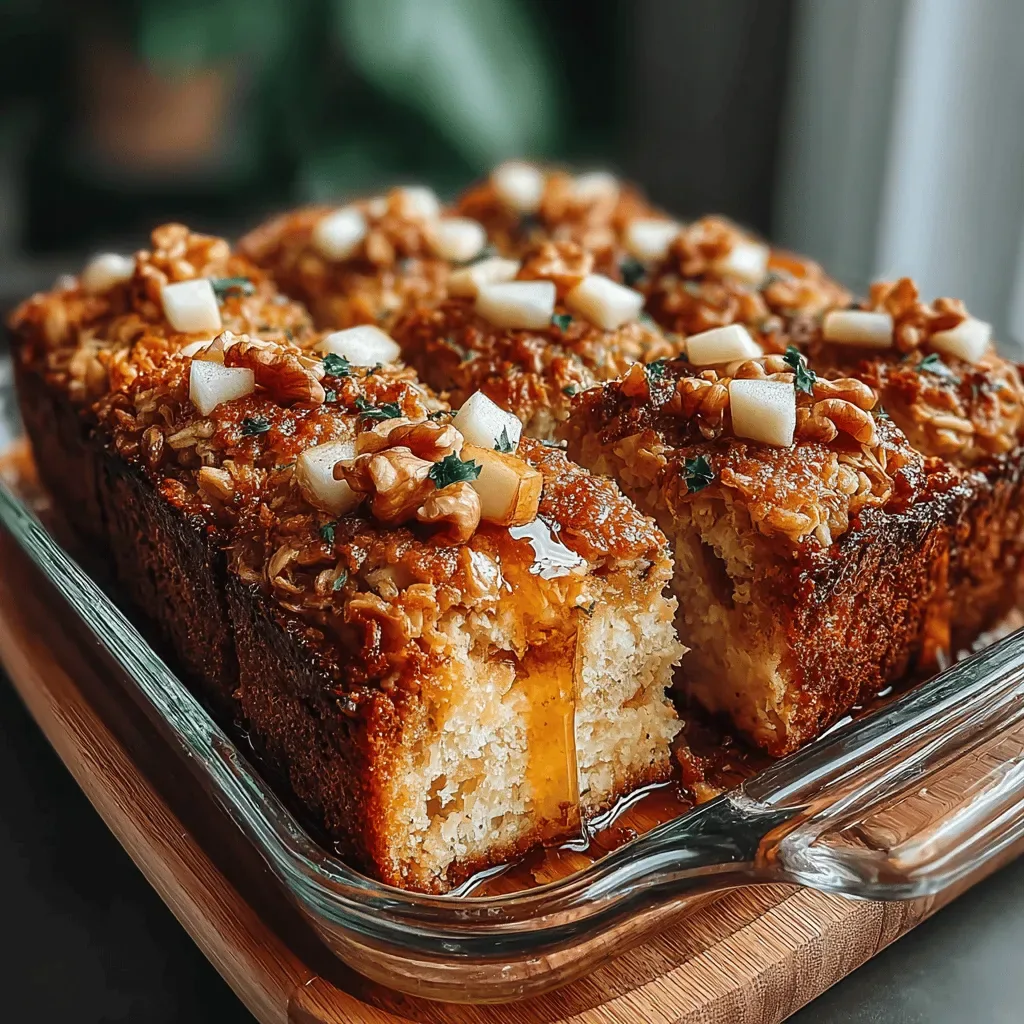
I still remember the first time I attempted a layer cake for my sister’s birthday. The kitchen was a whirlwind of clattering bowls, the sweet perfume of melted butter swirling with the faint tang of vanilla, and the excited chatter of family members perched on stools waiting for a slice. When I finally lifted the lid off the oven, a cloud of warm, buttery steam rose like a celebratory fog, and the golden tops of the layers glistened with a promise of soft, tender crumb. The moment the first forkful met my tongue, the cake’s delicate texture and balanced sweetness made my heart skip a beat. That memory has become the cornerstone of every celebration cake I bake now.
What makes a layer cake truly unforgettable isn’t just the ingredients—it’s the harmony of flavors, textures, and the love you fold into each batter swirl. Imagine a cake that feels airy yet moist, with each layer holding its own personality while still singing in perfect unison with the frosting. The secret lies in choosing the right flour, the exact temperature of your butter, and the precise moment you fold in the eggs—tiny details that elevate a simple dessert into a show‑stopper. As you read on, you’ll discover why these seemingly minute choices matter more than you think, and how a few pro tricks can turn a good cake into an “I need the recipe!” moment.
But wait—there’s a hidden hero ingredient that most home bakers overlook, and it’s the key to that melt‑in‑your‑mouth crumb we all crave. I won’t spill the beans just yet, but trust me, you’ll want to keep reading because that revelation appears right before the frosting step, and it will change the way you think about layer cakes forever. And if you’ve ever wondered why restaurant cakes taste so much richer, the answer is tucked into the very next section.
Here’s exactly how to make it — and trust me, your family will be asking for seconds, thirds, and maybe even a whole extra cake. Grab your mixing bowls, preheat that oven, and let’s dive into the world of irresistible layers that celebrate every occasion, from birthday cheers to quiet Sunday gatherings.
🌟 Why This Recipe Works
- Flavor Depth: By using high‑quality cake flour and fresh baking powder, the cake develops a subtle, buttery flavor that’s amplified by the creamy frosting. The balance of sugar and butter creates a caramel‑kissed undertone that lingers on the palate.
- Texture Perfection: The combination of room‑temperature butter and whole milk yields a tender crumb that stays moist even after cooling. The airy structure is achieved through proper creaming, which traps air bubbles for that light, fluffy bite.
- Ease of Execution: Every step is broken down into manageable actions, so even a novice baker can follow along without feeling overwhelmed. The recipe uses common pantry staples, meaning you won’t need a trip to a specialty store.
- Time Efficiency: While the cake looks impressive, it only takes about 55 minutes from start to finish, including baking and cooling. This makes it perfect for last‑minute celebrations without compromising on quality.
- Versatility: The base cake is a neutral canvas that welcomes countless flavor twists—from citrus zest to espresso infusion—so you can tailor it to any holiday or personal preference.
- Nutrition Balance: By using whole milk and limiting excess sugar, the cake offers a comforting indulgence without feeling overly heavy, allowing guests to enjoy a slice (or two) without guilt.
- Ingredient Quality: Selecting premium cake flour and fresh leavening agents ensures a consistent rise and a uniform crumb, which is essential for stacking clean, even layers.
- Crowd‑Pleasing Factor: The classic vanilla‑butter profile appeals to all ages, while the optional frosting variations let you customize for chocolate lovers, fruit fans, or anyone in between.
🥗 Ingredients Breakdown
The Foundation
Cake Flour: Choose high‑quality cake flour for a light and tender crumb that holds up beautifully between layers. Unlike all‑purpose flour, cake flour has a lower protein content, which reduces gluten formation and results in that soft, melt‑in‑your‑mouth texture we all love. If you can’t find cake flour, you can make a DIY version by replacing two tablespoons of every cup of all‑purpose flour with cornstarch, then sifting thoroughly. The finer the flour, the more delicate the final cake will be.
Granulated Sugar: A key ingredient that adds sweetness and helps create that perfect moist texture. Sugar also plays a crucial role in the creaming process; it dissolves partially into the butter, creating tiny pockets of air that expand during baking. For a subtle caramel note, you can substitute half of the granulated sugar with light brown sugar, but be sure to adjust the liquid slightly to keep the batter from becoming too thick.
Moisture Makers
Baking Powder: Ensure your baking powder is fresh to guarantee that fluffy rise we all love in layer cakes. An old or clumped leavening agent can lead to flat, dense layers that won’t stack well. To test freshness, drop a teaspoon into warm water; if it fizzes vigorously, it’s good to go. This tiny chemical reaction is the engine behind the cake’s lofty height.
Unsalted Butter: Softened butter adds richness; make sure it’s at room temperature for easy mixing. Butter not only contributes flavor but also helps trap air during the creaming stage, which is essential for a light crumb. If you’re looking for a dairy‑free alternative, try using a high‑fat coconut oil, but be aware that it will impart a faint coconut aroma.
The Secret Weapons
Eggs: Use large eggs for the best binding results; they help create structure in your cake. The proteins in eggs coagulate during baking, giving the cake its shape while also adding moisture. For a richer hue and deeper flavor, you can separate the yolks and whites, whisk the whites to soft peaks, and fold them in at the end—a technique that adds extra lift.
Milk: Whole milk adds moisture; feel free to substitute with buttermilk for an even richer flavor profile. The acidity in buttermilk reacts with the baking powder, producing extra lift and a subtle tang that cuts through the sweetness. If you prefer a dairy‑free version, almond milk works well, though you may need to add a teaspoon of vinegar to mimic the acidity.
Finishing Touches
Your Favorite Frosting: Whether it’s buttercream, cream cheese frosting, or a light whipped ganache, pick one that complements your cake flavors nicely. A classic vanilla buttercream adds sweetness and a silky texture, while a tangy cream cheese frosting balances the richness of the cake. For a fruit‑infused twist, fold in fresh berries or a spoonful of fruit puree into the frosting for a burst of color and flavor.
With your ingredients prepped and ready, let's get cooking. Here's where the fun really begins—mixing, baking, and layering your masterpiece with confidence and a dash of kitchen magic.

🍳 Step-by-Step Instructions
Preheat your oven to 350°F (175°C) and grease two 8‑inch round cake pans with a thin layer of butter, then dust them lightly with flour. This creates a non‑stick surface that also adds a subtle crust to the edges. Place a parchment circle at the bottom of each pan for an extra safety net—no more stuck cakes! As the oven warms, the aroma of butter and sugar will begin to fill the kitchen, setting the stage for the first magical step.
💡 Pro Tip: If you line the pans with parchment, trim the excess after it cools; this ensures a perfect, flat surface for stacking layers later.In a large mixing bowl, cream together the softened unsalted butter and granulated sugar until the mixture is pale, fluffy, and has doubled in volume. This usually takes about 3‑4 minutes on medium speed; you’ll hear a faint whirring sound and see the color lighten—signs that air has been incorporated. The creamed butter‑sugar base is the foundation for a tender crumb, so don’t rush this step.
Add the eggs one at a time, beating well after each addition. The batter should look glossy and slightly thickened after each egg. If the mixture looks curdled, keep beating; the emulsion will come together. This is where the cake gains its structure, and the eggs act like tiny scaffolds holding everything in place.
In a separate bowl, whisk together the sifted cake flour, baking powder, and a pinch of salt. Then, gradually add this dry mixture to the wet ingredients, alternating with the whole milk, beginning and ending with the flour mixture. The batter should be smooth, with a silky ribbon that falls back into the bowl in a lazy swirl. Here’s the thing: over‑mixing can develop gluten, leading to a tough cake, so stop as soon as everything is just combined.
⚠️ Common Mistake: Mixing the batter for too long after adding the flour will create a dense, rubbery texture. Stop mixing once the flour disappears.Divide the batter evenly between the two prepared pans, smoothing the tops with a spatula. Tap the pans gently on the counter to release any large air bubbles; you’ll hear a soft “pop” as they escape. The batter should spread into a uniform thickness, ensuring even baking across both layers.
Slide the pans into the preheated oven and bake for 25‑30 minutes, or until a toothpick inserted into the center comes out clean with just a few moist crumbs. You’ll notice the edges pulling away slightly from the pan and the tops turning a golden‑brown hue—signs that the cake is perfectly baked. While the cake bakes, the kitchen will be filled with a warm, buttery aroma that makes it impossible to stay away from the oven.
💡 Pro Tip: Rotate the pans halfway through baking for an even rise, especially if your oven has hot spots.Allow the cakes to cool in the pans for 10 minutes, then run a thin knife around the edges and invert them onto a wire rack to cool completely. This step prevents the cakes from becoming soggy from trapped steam. As they cool, the layers will firm up, making them easier to handle when you start frosting.
While the cakes are cooling, prepare your favorite frosting. If you’re using buttercream, beat softened butter until light, gradually add powdered sugar, a splash of milk, and vanilla extract, then whisk until smooth and fluffy. The frosting should be spreadable yet hold its shape when piped. Taste it now—this is your chance to adjust sweetness or add a pinch of salt for balance.
Once the layers are completely cool, place the first cake on a serving plate and spread a generous dollop of frosting over the top, smoothing it with an offset spatula. Place the second layer on top, then turn the cake 90 degrees and repeat the frosting process on the sides, ensuring an even coat. The result should be a smooth, glossy finish that looks as good as it tastes.
Finally, garnish with fresh berries, chocolate shavings, or a dusting of powdered sugar—whatever fits your celebration theme. Let the cake sit for at least 15 minutes before slicing so the frosting can set slightly, giving clean, beautiful slices. And there you have it! But before you dig in, let me share some tips that will take this from great to absolutely unforgettable...
🔐 Expert Tips for Perfect Results
The Taste Test Trick
Before you pour the batter into the pans, dip a clean spoon into the mixture and taste a tiny spoonful. This quick “taste test” lets you gauge the sweetness level and adjust with a pinch more sugar or a splash of vanilla if needed. Trust me, this tiny habit saves you from a bland or overly sweet cake later on.
Why Resting Time Matters More Than You Think
After frosting, let the cake rest at room temperature for at least 30 minutes. This resting period allows the crumb to settle and the frosting to firm slightly, making it easier to cut clean slices. I once tried to serve a cake straight out of the fridge, and the frosting cracked like a frozen pond—lesson learned!
The Seasoning Secret Pros Won’t Tell You
A pinch of fine sea salt in the batter can dramatically enhance flavor, balancing the sweetness and amplifying the butter’s richness. It’s a tiny addition that most home bakers skip, but it’s the secret weapon used by pastry chefs to create that “wow” factor.
Layer Alignment Mastery
To ensure perfectly aligned layers, use a simple kitchen ruler or a piece of parchment paper as a guide. Place the first layer on the plate, then gently press the second layer down to the exact same height. This trick eliminates wobbly towers and gives your cake a professional look.
Frosting Consistency Control
If your frosting is too stiff, add a teaspoon of warmed milk at a time until it reaches a spreadable consistency. Conversely, if it’s too runny, blend in a bit more powdered sugar. The key is to achieve a texture that’s smooth enough to glide but thick enough to hold peaks when piped.
Serving with Style
When it’s time to slice, use a hot, wet knife—dip it in hot water, wipe dry, and cut. The heat creates a clean cut through the frosting, while the moisture prevents crumbs from sticking. Serve each slice on a chilled plate for a striking contrast between the cool plate and the warm cake.
🌈 Delicious Variations to Try
One of my favorite things about this recipe is how versatile it is. Here are some twists I've tried and loved:
Citrus Burst Delight
Add the zest of one lemon and one orange to the batter, and swap half of the milk for fresh orange juice. Pair it with a lemon‑infused buttercream, and you’ll have a bright, tangy cake perfect for spring celebrations.
Chocolate Velvet Dream
Replace ¼ cup of the cake flour with cocoa powder, and melt 2 tablespoons of dark chocolate into the milk before adding it to the batter. Finish with a silky chocolate ganache for an indulgent, rich treat that feels luxurious at any dinner party.
Berry Bliss Layer
Fold a cup of fresh mixed berries into the batter just before pouring it into the pans. Use a cream cheese frosting with a hint of vanilla, and garnish the top with a handful of extra berries for a fresh, summery vibe.
Coffee Caramel Crunch
Stir in 2 teaspoons of instant espresso powder and a drizzle of caramel sauce into the batter. Top the cake with a coffee‑buttercream and sprinkle crushed caramel candies on the sides for a sophisticated flavor that works well for brunch or an adult‑only gathering.
Spiced Autumn Harvest
Incorporate a teaspoon each of ground cinnamon, nutmeg, and ginger into the dry ingredients, and add a half cup of finely chopped toasted pecans to the batter. Pair with a maple‑cream cheese frosting for a warm, comforting cake that shines during the cooler months.
📦 Storage & Reheating Tips
Refrigerator Storage
Cover the cake loosely with a dome or store it in an airtight container for up to 4 days. The frosting will stay soft, and the cake layers will retain moisture. For best flavor, bring the cake to room temperature for 30 minutes before serving.
Freezing Instructions
Wrap each layer tightly in plastic wrap, then place them in a freezer‑safe bag. Freeze for up to 2 months. When you’re ready to use them, thaw overnight in the refrigerator, then bring to room temperature before frosting. This method preserves the delicate crumb without freezer burn.
Reheating Methods
To warm a slice without drying it out, place a damp paper towel over the piece and microwave for 10‑15 seconds. Alternatively, preheat the oven to 300°F (150°C), cover the cake loosely with foil, and heat for 5‑7 minutes. The trick to reheating without drying it out? A splash of milk or a dab of butter on the slice before heating keeps it moist and luscious.