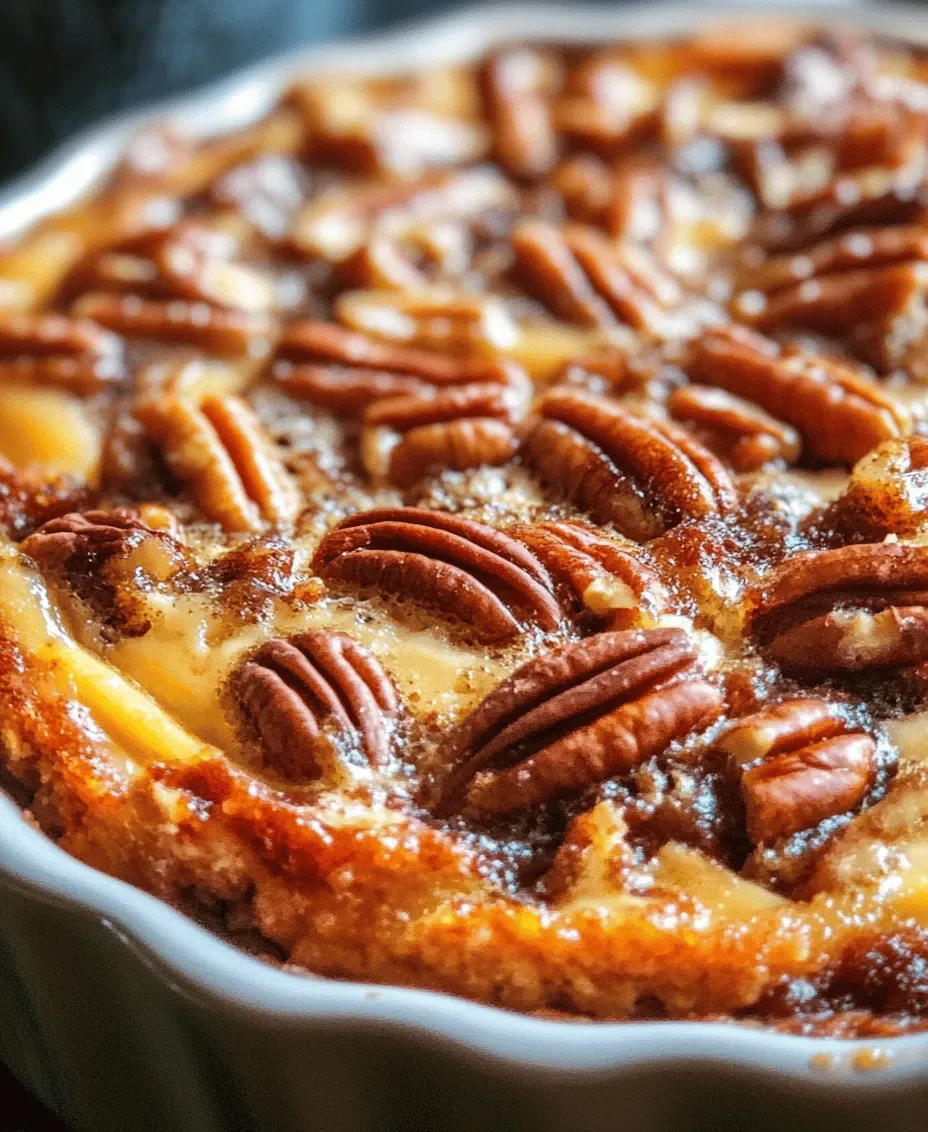
It was a crisp autumn evening, the kind where the wind whistles through the trees and the kitchen smells like a promise of something sweet. I was standing over a pot of heavy cream, whisk in hand, when my teenage daughter asked if we could have “something that feels like a hug but also has a little crunch.” That moment sparked the birth of my Irresistible Crème Brûlée Cookies – a marriage of buttery, chewy cookie dough with a caramelized brûlée topping that cracks like fireworks under a spoon. The first bite was a revelation: a soft, vanilla‑kissed interior that gave way to a crackly, caramel‑sweet crust, and the faint whisper of cinnamon and nutmeg dancing in the background. The whole house was instantly filled with the aroma of toasted sugar and warm spices, and I swear the whole family gathered around the counter, eyes wide, waiting for that first snap.
What makes this recipe stand out isn’t just the flavor; it’s the texture orchestra playing in perfect harmony. Imagine a classic sugar cookie that’s been invited to a fancy French dessert party – the buttery crumb is elevated by a glossy, caramelized top that shatters with a satisfying crack, releasing a puff of sweet perfume. The secret is in the crème brûlée topping, which we gently spoon onto each cookie before a quick broil, creating that signature glassy shell. As the sugar melts and browns, it forms a thin, glass‑like crust that’s both delicate and robust, a contrast that keeps you reaching for another.
But there’s more to the story than just taste. The recipe is designed to be approachable for home cooks of any skill level, yet it feels luxurious enough for a dinner‑party showstopper. You’ll discover that a few pantry staples—unsalted butter, heavy cream, and a pinch of spices—can transform an ordinary cookie into a conversation‑starter. And because the dough can be made ahead, you have the flexibility to bake them fresh right before serving, ensuring that each cookie arrives at the table still warm and aromatic.
Now, you might be wondering how to get that perfect caramel crack without a kitchen torch, or why the dough stays tender even after a quick broil. Trust me, the answers lie in the details that follow. Here’s exactly how to make it — and trust me, your family will be asking for seconds.
🌟 Why This Recipe Works
- Flavor Depth: The combination of vanilla extract, brown sugar, and a touch of cinnamon creates layers of flavor that unfold with each bite, mimicking the complexity of a classic crème brûlée while keeping the comforting familiarity of a cookie.
- Texture Contrast: The soft, chewy interior meets a crisp, caramelized crust, delivering a satisfying snap that keeps you engaged from the first chew to the lingering aftertaste.
- Ease of Execution: No fancy equipment is required—just a regular oven and a broiler. Even if you’ve never used a broiler, the step‑by‑step guide makes it foolproof.
- Time Efficiency: With a prep time of just 15 minutes and a total cook time under an hour, this dessert fits nicely into a busy weeknight or a relaxed weekend gathering.
- Versatility: The base cookie can be customized with add‑ins like toasted almonds, orange zest, or a drizzle of dark chocolate, making it adaptable to any palate.
- Ingredient Quality: By using real butter, heavy cream, and pure vanilla, you avoid the artificial flavors that often plague store‑bought desserts, resulting in a richer, more authentic taste.
- Crowd‑Pleasing Factor: The visual drama of the caramelized top, combined with the familiar comfort of a cookie, makes it a hit with both kids and adults at any gathering.
🥗 Ingredients Breakdown
The Foundation
The backbone of any great cookie is the butter and flour. Unsalted butter is the star of the show, adding richness and a soft texture that makes each bite melt in your mouth. When softened at room temperature, it creams easily with the sugars, creating tiny air pockets that help the cookie rise just enough without becoming cakey. If you’re looking for a healthier twist, you can swap half the butter for a high‑quality coconut oil, but expect a subtle coconut flavor to emerge.
All‑purpose flour provides the structure. It’s the canvas on which the flavors paint themselves. For a slightly nuttier profile, you could substitute a quarter of the flour with finely ground almond meal, but be careful not to over‑mix, or the cookies may become dense.
Aromatics & Spices
Vanilla extract is the warm hug that ties everything together. I always reach for a bottle that’s dark amber, because that usually means it’s pure and not just an artificial imitation. A splash of vanilla can turn a bland dough into a fragrant masterpiece. If you’re feeling adventurous, a dash of bourbon or rum can amplify the depth, but keep it under a teaspoon to avoid overpowering the delicate brûlée notes.
Ground cinnamon and ground nutmeg are the spice duo that adds complexity. Cinnamon brings a sweet, woody aroma, while nutmeg adds a subtle, nutty undertone that feels like a secret whisper in the background. These spices are especially magical when paired with the caramelized sugar, creating a flavor reminiscent of a holiday dessert table.
The Secret Weapons
Heavy cream is the soul of the crème brûlée topping. Its high fat content ensures a silky, rich custard that sets into a glossy layer. When you whisk it with brown sugar and a pinch of cornstarch, you get a thickened mixture that clings beautifully to each cookie, ready for that final broil. If you only have half‑and‑half on hand, you can blend it with a splash of whole milk, but the texture won’t be as luxurious.
Brown sugar brings caramel notes that are essential for the brûlée experience. Its molasses content deepens the flavor and gives the topping that characteristic amber hue. For a deeper, almost toffee‑like flavor, try using dark brown sugar, but remember it’s sweeter, so you might want to reduce the granulated sugar slightly.
Cornstarch is the unsung hero that stabilizes the custard, preventing it from curdling under the high heat of the broiler. It also helps the mixture thicken quickly, so you don’t end up with a runny topping that slides off the cookie. A teaspoon or two is all you need; any more and the custard could become gummy.
Finishing Touches
Granulated sugar is the crisping agent that forms the iconic crackly crust. When sprinkled on top of the custard and exposed to the broiler’s intense heat, it melts, bubbles, and then hardens into that glassy shell we all love. For an extra crunch, use superfine or caster sugar; it melts faster and creates an even thinner, more delicate crust.
Egg acts as a binder, ensuring the dough holds together while staying tender. The egg also adds a subtle richness that balances the sweet and buttery notes. If you’re cooking for someone with an egg allergy, a tablespoon of unsweetened applesauce can substitute, though the texture will be slightly less chewy.
Baking soda and salt are the leavening and flavor‑balancing duo. Baking soda gives the cookie a gentle lift, preventing it from becoming a dense slab, while a pinch of salt amplifies the sweetness and rounds out the flavor profile.
With your ingredients prepped and ready, let's get cooking. Here's where the fun really begins...
🍳 Step-by-Step Instructions
Preheat your oven to 350°F (175°C) and line two baking sheets with parchment paper. While the oven warms, cut the unsalted butter into small cubes and let it sit at room temperature for about 10 minutes; this ensures it creams evenly with the sugars. In a large mixing bowl, combine the softened butter, granulated sugar, and brown sugar, then beat with an electric mixer on medium speed until the mixture is light, fluffy, and a pale golden color—this usually takes about 3 to 4 minutes. The sound of the mixer whirring and the scent of sweet butter will tell you when you’ve reached the right stage.
Add the egg and vanilla extract to the creamed butter, then mix until just incorporated. Here’s the thing: over‑mixing at this stage can cause the dough to become too airy, which will affect the final texture. You’ll notice the batter become glossy and smooth, a sign that the egg has emulsified the fats and sugars properly. Let the mixture rest for a minute while you whisk the heavy cream, brown sugar, and cornstarch together in a saucepan.
Place the saucepan over medium‑low heat and bring the mixture to a gentle simmer, stirring until it thickens and coats the back of a spoon—about 5 minutes. Once thickened, remove from heat and let it cool slightly; you’ll see a faint sheen on the surface, indicating it’s ready to be spooned onto the cookies. While the custard cools, sift together the all‑purpose flour, baking soda, salt, ground cinnamon, and ground nutmeg into a separate bowl.
Gradually add the dry ingredients to the butter‑sugar mixture, mixing on low speed until just combined. Avoid over‑mixing; you want to see faint streaks of flour that disappear as you stir, ensuring the cookies stay tender. The dough will feel slightly sticky but manageable. At this point, you can fold in optional add‑ins like toasted pecans or orange zest if you’re feeling adventurous.
Using a cookie scoop or a tablespoon, portion out the dough onto the prepared baking sheets, spacing them about 2 inches apart. Each mound should be about the size of a walnut; they’ll spread slightly during baking. Lightly press the center of each cookie with your thumb to create a shallow well—this is where the custard will sit later.
Bake the cookies for 10‑12 minutes, or until the edges are lightly golden and the tops have set but not browned. You’ll hear a faint sigh as the cookies lift off the parchment, a sign they’re ready to be lifted. Remove from the oven and let them cool on the sheet for 2 minutes; this short rest helps the centers firm up just enough to hold the custard without spreading.
While the cookies are still warm, spoon a teaspoon of the cooled custard onto the center of each cookie, spreading it just enough to cover the surface. Then, sprinkle a thin, even layer of granulated sugar over the custard. This is where the magic happens: the sugar will caramelize under the broiler, forming that signature crackly crust.
Turn the broiler on high and place the baking sheet under the heat for 1‑2 minutes, watching closely. You’ll see the sugar melt, bubble, and then turn a deep amber color—this is the caramelization stage. As soon as the sugar has formed a glossy, crackly crust, remove the sheet and let the cookies cool completely on a wire rack. The cooling process lets the crust harden fully, giving you that satisfying snap when you break into it.
And there you have it! But before you dig in, let me share some tips that will take this from great to absolutely unforgettable...
🔐 Expert Tips for Perfect Results
The Taste Test Trick
Before you bake the entire batch, pop one cookie into the oven as a test. This allows you to gauge the exact browning time for your specific oven, which can vary by a few degrees. I once baked a full tray and ended up with a few over‑caramelized tops; after the test run, I adjusted the broiling time by just 15 seconds and saved the rest.
Why Resting Time Matters More Than You Think
Letting the dough rest for 15‑20 minutes in the refrigerator before shaping helps the flour fully hydrate and the butter firm up. This short chill makes the cookies hold their shape better and prevents them from spreading too thin. The result is a thicker cookie that can support a generous amount of custard without cracking.
The Seasoning Secret Pros Won’t Tell You
A pinch of sea salt sprinkled over the caramelized sugar just before serving amplifies the sweetness and adds a subtle crunch. It’s a small step that transforms the flavor profile from “sweet” to “sophisticated,” and it’s a trick I learned from a pastry chef during a summer internship.
Broiler Mastery
If your broiler has a “high” and “low” setting, always use “high” for the caramelization step. The high heat creates the rapid sugar melt needed for that glassy crust. Keep a close eye—once the sugar starts to turn amber, you have only seconds before it can go from perfect to burnt.
Storing for Maximum Freshness
After the cookies have cooled completely, store them in an airtight container with a piece of parchment paper between layers. This prevents the caramelized tops from sticking together and maintains the crispness. If you need to keep them longer than three days, place a slice of bread on top of the cookies; the bread will absorb excess moisture, keeping the cookies dry.
🌈 Delicious Variations to Try
One of my favorite things about this recipe is how versatile it is. Here are some twists I've tried and loved:
Orange‑Zest Brûlée Bliss
Add a teaspoon of freshly grated orange zest to the custard mixture before heating. The citrus brightens the caramel and pairs beautifully with the warm spices, creating a flavor reminiscent of a holiday marmalade.
Chocolate‑Swirl Dream
Fold in a tablespoon of melted dark chocolate into the cookie dough, and drizzle a thin line of chocolate over the caramelized tops after cooling. The bittersweet chocolate adds depth and a luxurious finish that chocolate lovers adore.
Nutty Caramel Crunch
Stir in chopped toasted almonds or pecans into the dough, and sprinkle a few extra nuts on top of the custard before broiling. The nuts introduce a pleasant crunch that complements the soft caramel crust.
Espresso‑Infused Elegance
Dissolve a teaspoon of instant espresso powder in the heavy cream before making the custard. The coffee notes deepen the caramel flavor and give the cookies a sophisticated, mocha‑like edge.
Salted Caramel Sea‑Salt
After the cookies have cooled, sprinkle a pinch of flaky sea salt on each caramelized top. The salty contrast elevates the sweetness and adds a gourmet touch that’s perfect for special occasions.
📦 Storage & Reheating Tips
Refrigerator Storage
Place the cooled cookies in an airtight container lined with parchment paper. Store them in the refrigerator for up to 5 days. The cool environment helps preserve the caramel crust, preventing it from becoming sticky.
Freezing Instructions
For longer storage, arrange the cookies on a baking sheet and freeze them individually for 2 hours. Then transfer them to a freezer‑safe zip‑top bag. They’ll keep for up to 3 months. When you’re ready to enjoy them, let them thaw at room temperature for 15 minutes, then give them a quick 3‑minute bake at 300°F to refresh the crust.
Reheating Methods
To revive the caramel snap, place the cookies on a baking sheet and warm them in a preheated 350°F oven for 5‑7 minutes. If you’re short on time, a microwave for 10 seconds followed by a brief broil (30 seconds) will re‑crackle the sugar without drying out the interior. The trick to reheating without drying it out? A splash of milk or a dab of butter on the side of the plate, which adds a little moisture back into the crumb.